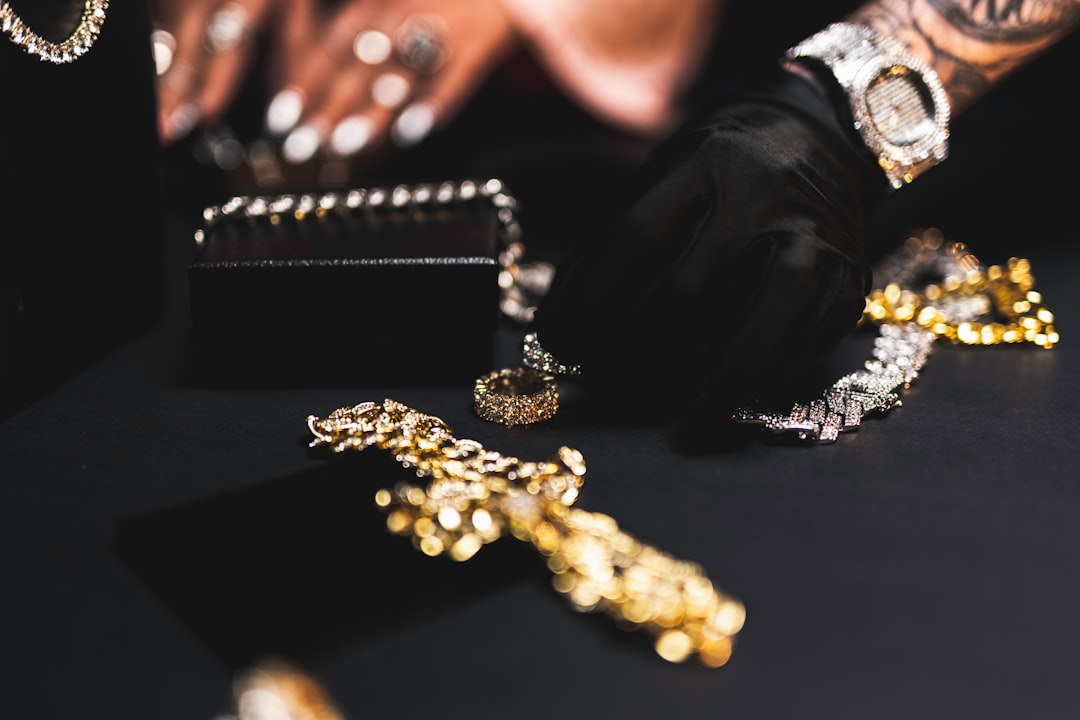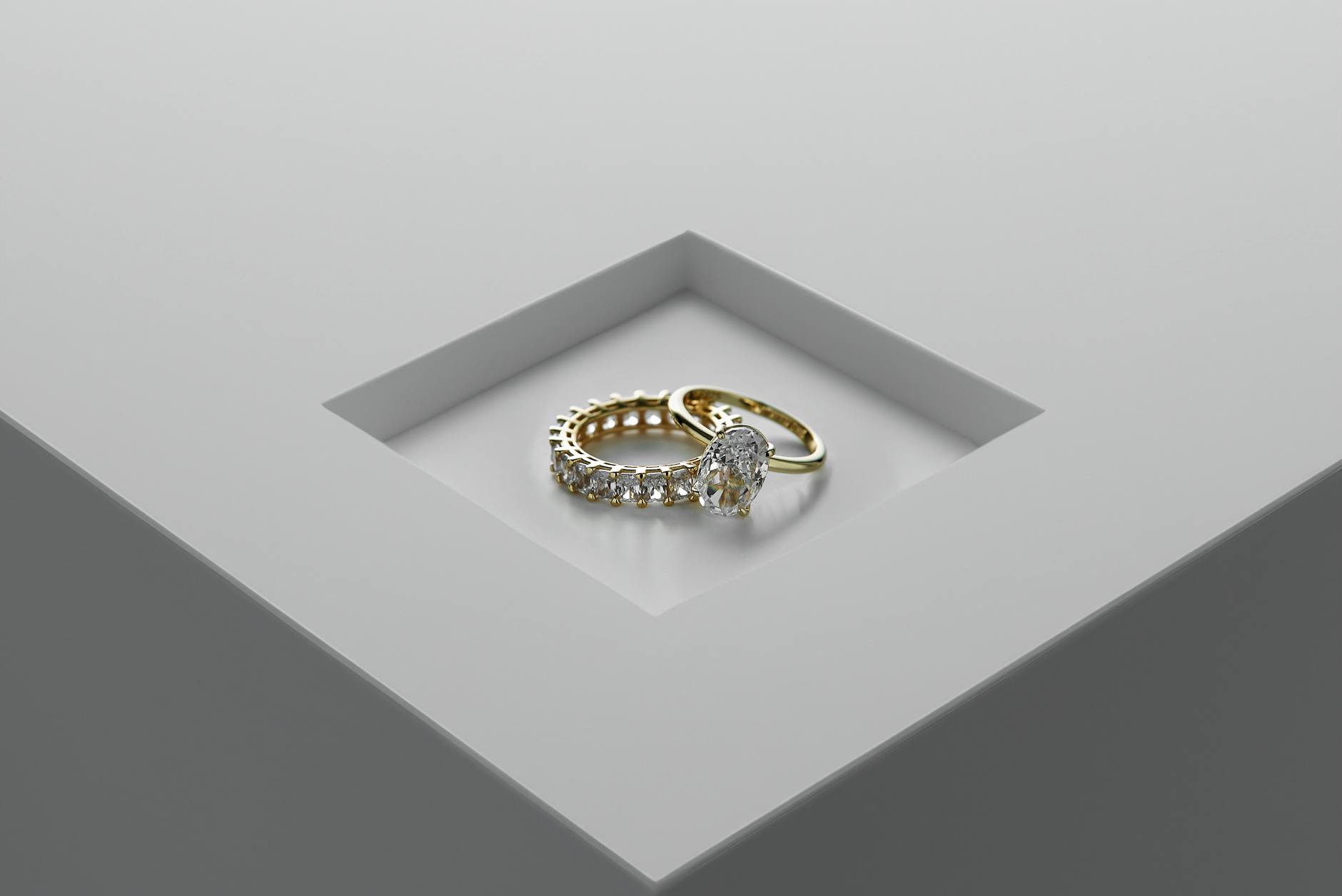
Antique jewellery — whether it's your grandmother's gold mangalsutra, a Victorian brooch, or a Mughal-era polki necklace — carries irreplaceable emotional and historical value.
Unlike modern jewellery, antique pieces cannot be easily replicated or replaced.
This guide covers expert-level care and preservation techniques to ensure your heirloom pieces last generations more.
Understanding Antique Jewellery: What Makes It Different
The first principle of antique jewellery care is recognising that these pieces were made under completely different conditions than modern jewellery:
- Older alloy compositions: Pre-20th century Indian jewellery often used different gold alloys — sometimes with higher impurity content or different alloying metals than today's standardised 916 or 750 gold
- Historical setting techniques: Kundan settings (pure gold foil pressed around stones), Jadau (stone-setting in gold without adhesive, using pressure alone), and Meenakari enamel all require different handling than modern prong-set jewellery
- Organic materials: Many antique Indian pieces incorporate organic materials — seed pearls, coral, natural turquoise, lac (shellac) fill — that react badly to chemicals and heat
- Aged metal fatigue: Clasps, chains, and hinges that worked perfectly 60 years ago may be brittle now. What looks like a functioning clasp can snap under pressure
Quick Reference: Do's and Don'ts for Antique Jewellery
| ✅ Do | ❌ Don't |
|---|---|
| Wipe with a dry, lint-free cloth after every wear | Use ultrasonic cleaners (destroys Kundan, pearls, enamel) |
| Store each piece individually in acid-free tissue | Store multiple pieces loose together (scratches enamel) |
| Apply perfume before putting on jewellery | Spray perfume directly onto pearls or coral |
| Remove before swimming, cooking, or exercising | Wear in chlorinated pools or while using cleaning agents |
| Get professional assessment every 3–5 years | Force a stiff clasp — old metal can snap |
| Photograph and document every piece | Use toothpaste or abrasive polishes on antiques |
| Store with silica gel to control humidity | Leave near AC vents, heaters, or in sunlight |
The Most Common Mistakes People Make
⚠ Never Use Ultrasonic Cleaners on Antique Jewellery
This is the single most common cause of irreversible antique jewellery damage in India.
Many modern jewellery stores use ultrasonic cleaning as a standard service — always explicitly decline for antique or heirloom pieces.
Ultrasonic Cleaning
Modern jewellery stores use ultrasonic cleaners — tanks of water that vibrate at high frequencies to dislodge dirt. This is excellent for modern prong-set diamond rings.
It is potentially catastrophic for antique jewellery. The vibrations can:
- Loosen Kundan or Jadau settings (which rely on pressure, not prongs)
- Crack natural pearls or coral
- Fracture enamelled (Meenakari) surfaces
- Dislodge stones in older foil-backed settings where the foil has partially degraded
Rule: Never use ultrasonic cleaning on antique jewellery.
Chemical Polishing Agents
Commercial silver polish, jewellery dips, and even household cleaners (toothpaste is often recommended — it's not appropriate for antiques) can strip patina, damage enamel, bleach pearls, and introduce chemical residues into porous stones.
Many antique pieces gain character and value from their patina — the natural darkening of silver and gold surfaces over decades.
Aggressive polishing removes this and can actually reduce both aesthetic and monetary value.
Wearing During Activities
Modern jewellery is designed with lifestyle in mind. Antique jewellery was often made for ceremonial occasions and occasional wear.
Wearing an 80-year-old Hyderabadi pearl necklace while cooking, exercising, or swimming exposes it to sweat, chlorine, steam, and impact that can cause damage within a single session.
Daily Care Principles
The Last On, First Off Rule
Put on antique jewellery after applying makeup, hairspray, perfume, and skincare.
These products contain alcohols, acids, and polymers that degrade organic stones (pearls, coral, turquoise) and can cloud the foil backing behind Kundan stones.
Remove jewellery before any activity involving chemicals, water, or physical exertion.
Perfume and the Pearl Problem
Pearls are made of calcium carbonate — the same material as limestone and chalk. Acids dissolve calcium carbonate.
Perfume, sweat, and many cosmetics are mildly acidic. Even brief repeated exposure over years visibly dulls and pits pearl surfaces.
If your antique piece has pearls (natural or seed), keep them away from all fragrances and wipe them with a soft, dry cloth after every wear.
Wiping After Wear
A clean, dry, lint-free cloth (microfibre or jeweller's polishing cloth) used after every wear removes sweat, oils, and surface dust before they have time to bond with the metal or work into crevices.
This simple habit extends the cleaning interval dramatically and prevents the buildup that eventually requires professional intervention.
Safe Home Cleaning Methods
When cleaning is necessary, use the gentlest possible approach:
For Plain Gold Antiques (No Stones, No Enamel)
- Prepare a solution of warm (not hot) water and a tiny drop of mild, pH-neutral dish soap
- Dip a very soft, natural-bristle brush (a watercolour brush or a baby's toothbrush) into the solution
- Gently brush the surface in small circular motions, working into textured areas and around engraving
- Rinse under cool running water, keeping the piece away from the drain (use a bowl if the clasp is open)
- Pat dry immediately with a soft cloth; do not rub
- Allow to air dry completely before storage — trapped moisture in filigree or engraved areas causes long-term damage
For Kundan or Jadau Jewellery
Do not immerse in water. The glass stones in Kundan work are often foil-backed — water penetrating behind the foil clouds the backing and is irreversible.
For Kundan pieces:
- Use a dry, soft brush to remove loose dust
- For tarnished gold work between the stones, use a cotton swab barely dampened with water — not wet, barely damp
- Work carefully between stones, not over them
- Dry immediately and thoroughly
For Silver Antiques
Silver tarnishes naturally through reaction with sulphur compounds in the air.
For antique silver with patina you wish to preserve (particularly in engraved or repoussé pieces where dark areas in the recesses add depth), do not polish at all — simply wipe with a dry cloth.
If polishing is desired on plain silver areas, use a non-abrasive, chemistry-free silver polishing cloth (impregnated cloths, not liquid polishes).
Work only on the high surfaces, leaving the recesses dark for contrast. Liquid silver dips strip all patina uniformly — avoid them on antiques.
For Meenakari (Enamel) Jewellery
Enamel is a form of glass fused to metal at high temperature. It's much more fragile than it appears:
- Never expose to temperature extremes (hot water, steam, leaving in a hot car)
- Never use ultrasonic or steam cleaning
- Clean with a barely damp cloth, avoiding the enamel surface as much as possible
- Store away from other metal pieces that can chip the enamel on impact
Professional Conservation: When to Go to an Expert
Home cleaning has limits. Seek professional help for:
Loose or Missing Stones
In Kundan work, stones that are loose need immediate attention — the gold foil underlay may have shifted or degraded.
A jeweller who specialises in traditional Indian jewellery can repack and re-seat stones without replacing them.
Modern chain store jewellers often do not have this expertise; look for specialist antique or traditional jewellery repairers.
Broken or Weak Clasps and Chains
Do not attempt to bend or force an aged clasp back into shape yourself — antique metal is often work-hardened and will snap.
A goldsmith can solder, reinforce, or replace clasps with period-appropriate mechanisms without altering the visible design.
Structural Repairs
Antique pieces that have been repaired multiple times over decades sometimes have weak points at old solder joins.
A professional assessment can identify these before they fail catastrophically during wear.
Professional Patina Preservation
If a piece has been accidentally over-polished, an expert can sometimes reapply an artificial patina using liver of sulphur (for silver) or other appropriate agents.
This requires skill and is not a home process.
Storage: The Critical Variable
Improper storage causes more antique jewellery damage than wearing it. Follow these principles:
Individual Storage
Never store multiple antique pieces loose in a drawer or box together. Metal-on-metal contact scratches surfaces and can chip enamel.
Each piece should be wrapped individually in:
- Acid-free tissue paper (available from craft or archival supply stores)
- Soft, unbleached cotton pouches
- Anti-tarnish fabric pouches (for silver specifically)
Avoid regular tissue paper (slightly acidic), plastic bags (trap moisture), or rubber bands (rubber compounds damage metals).
Environment
Store jewellery in a stable, cool, dry environment away from direct sunlight.
UV light fades natural gemstones (particularly amethyst, rose quartz, and many organic materials) and degrades pearls over time.
Humidity accelerates tarnishing of silver and copper-alloyed gold. A jewellery box with a small silica gel packet helps control humidity.
Temperature Stability
Avoid storing near air conditioning vents or heaters — temperature fluctuations cause metal to expand and contract, which, over years, can loosen stone settings in older pieces.
A wardrobe interior or dedicated jewellery cabinet offers the most stable conditions in a typical Indian home.
Insurance and Documentation
Antique jewellery with significant monetary or historical value should be insured and documented:
- Photograph every piece in natural light, from multiple angles, with a ruler for scale. Include close-ups of any hallmarks, maker's marks, or distinctive features. Store these photographs separately from the jewellery (cloud storage is excellent for this).
- Get a professional valuation from a certified valuer registered with the Institute of Valuers (India). A valuation report is required for insurance and estate purposes.
- Jewellery insurance is available as an add-on to home insurance policies from most major insurers. Premiums are typically 0.5–1% of the insured value annually — worthwhile for high-value heirlooms.
- Hallmark verification: If you're unsure of the purity of old gold jewellery, a BIS-accredited Assaying and Hallmarking Centre can test it. This is useful both for insurance valuation and if you ever consider resale.
When "Antique" Becomes a Question: Identifying Genuine Age
Not everything sold as "antique" actually is. Red flags for artificially aged or reproduction pieces:
- BIS HUID hallmarks on supposedly pre-2021 antiques (HUID didn't exist before 2021)
- Perfect, unscratched condition on supposedly 100-year-old pieces
- Machine-made uniformity on pieces claimed to be handcrafted antiques
- Suspiciously low prices for supposedly rare pieces
Genuine antique jewellery will show wear consistent with its age — tiny scratches in recesses, slight irregularity in handmade settings, and appropriate patina on silver or base metal parts.
If in doubt, an antique jewellery expert or auction house specialist can assess authenticity.
Passing Down: Preparing Heirlooms for the Next Generation
If you intend to pass antique jewellery to the next generation:
- Have each piece professionally assessed and repaired of any structural issues before gifting
- Create written documentation — what the piece is, where it came from, who wore it, and what makes it significant. This provenance increases both emotional and monetary value.
- Arrange a valuation and add the pieces to your will or estate plan explicitly
- Brief the recipient on care requirements — a beautifully preserved antique handed down without care instructions often deteriorates in the next generation due to simple ignorance
Antique jewellery is living history.
With the right care, a 150-year-old Rajasthani necklace or a 1920s Art Deco diamond brooch can be worn, enjoyed, and passed down for another 150 years.
The effort of proper preservation is small compared to what it protects.
Looking for a jeweller who specialises in antique jewellery repair and restoration?
Use JewellersinCity to find expert traditional jewellers in your city who understand the craft behind these irreplaceable pieces.
More in Jewellery Care
Share this article
Our editorial team comprises jewellery industry veterans, certified gemmologists, and passionate writers with decades of combined experience across India's gold, diamond, and gemstone markets. Every article is researched, fact-checked, and written to help Indian buyers make smarter, safer jewellery decisions.
Passionate about jewellery and love to write? We'd love to hear from you.
Join us as a writer →Ready to buy? Find verified jewellers near you
Browse 10,000+ BIS hallmark certified jewellers across India. Compare ratings, check today's gold rate, and book a visit.
Keep Reading