India buys somewhere between 30 and 40 tonnes of gold on Akshaya Tritiya alone — in a single day.
On Dhanteras, the first day of Diwali, tens of millions of households across the country visit their local jeweller to buy something in gold or silver, fulfilling a tradition that stretches back centuries.
Jewellery store advertisements in the weeks leading up to these festivals promise "special prices," "zero making charges," and "exclusive festive collections." This guide separates the genuine savings from the marketing theatre, so that your festive gold purchase is as financially sound as it is auspicious.
The Auspicious Significance
Akshaya Tritiya
Akshaya Tritiya (Akha Teej) falls on the third lunar day (Tritiya) of the bright fortnight of Vaishakha — typically in April or May.
"Akshaya" means "never diminishing" or "eternal" in Sanskrit.
The day is considered perpetually auspicious in Hindu and Jain tradition — any good deed done on this day is believed to multiply and grow eternally.
Buying gold on Akshaya Tritiya is therefore not merely a purchase; it is an investment in perpetual prosperity.
The day does not require a specific muhurta (auspicious time calculation) — the entire day is considered auspicious by the tradition, which makes it uniquely accessible and has historically made it the largest single-day gold buying event in India.
Dhanteras
Dhanteras falls two days before Diwali, on the thirteenth lunar day of Krishna Paksha (dark fortnight) in the month of Kartika. "Dhan" means wealth; "Teras" means thirteenth.
The day is dedicated to Dhanvantari (the divine physician) and Lakshmi (the goddess of wealth).
Buying precious metal — gold, silver, or even steel utensils — on Dhanteras is believed to invite the blessings of Lakshmi into the home and protect against misfortune for the year ahead.
Unlike Akshaya Tritiya, Dhanteras buying is spread across a broader range of items (including silver coins, kitchenware, and electronics in modern practice), but gold and silver remain the most auspicious purchases.
What Festive "Deals" Actually Offer
Before we assess whether festive buying is financially rational, you need to understand what jewellers are actually offering.
The offers fall into clear categories with very different financial values:
1. Making Charge Waivers — Genuine Savings
This is the most common festive promotion and the one that actually saves you real money.
Making charges on gold jewellery typically range from ₹500 to ₹4,000 per gram depending on design complexity.
When a jeweller waives these — partially or fully — you pay closer to the raw gold value for the piece.
Example: A 10-gram chain normally priced at ₹800/gram making charges = ₹8,000 in making charges on a 10-gram piece. If waived, that is ₹8,000 in your pocket.
This is a real saving on a purchase you were going to make anyway.
2. Exchange Premiums — Good if You Were Planning to Exchange
Jewellers sometimes offer enhanced exchange rates during festive seasons — accepting your old gold at 100% of the day's rate (vs. 95% at other times), or even offering 105% during promotional periods.
If you have old gold you were planning to exchange toward new jewellery, festive season is an excellent time to do it.
3. Free Coins or Gifts — Marginal
Buy a necklace set above ₹50,000 and receive a complimentary 1-gram gold coin (worth approximately ₹8,000).
This is a genuine value addition — as long as you were buying the necklace anyway and the coin is BIS-certified (not promotional costume jewellery).
4. "Exclusive Festive Collections" — Often Not Deals
This is the marketing-heavy portion of festive buying.
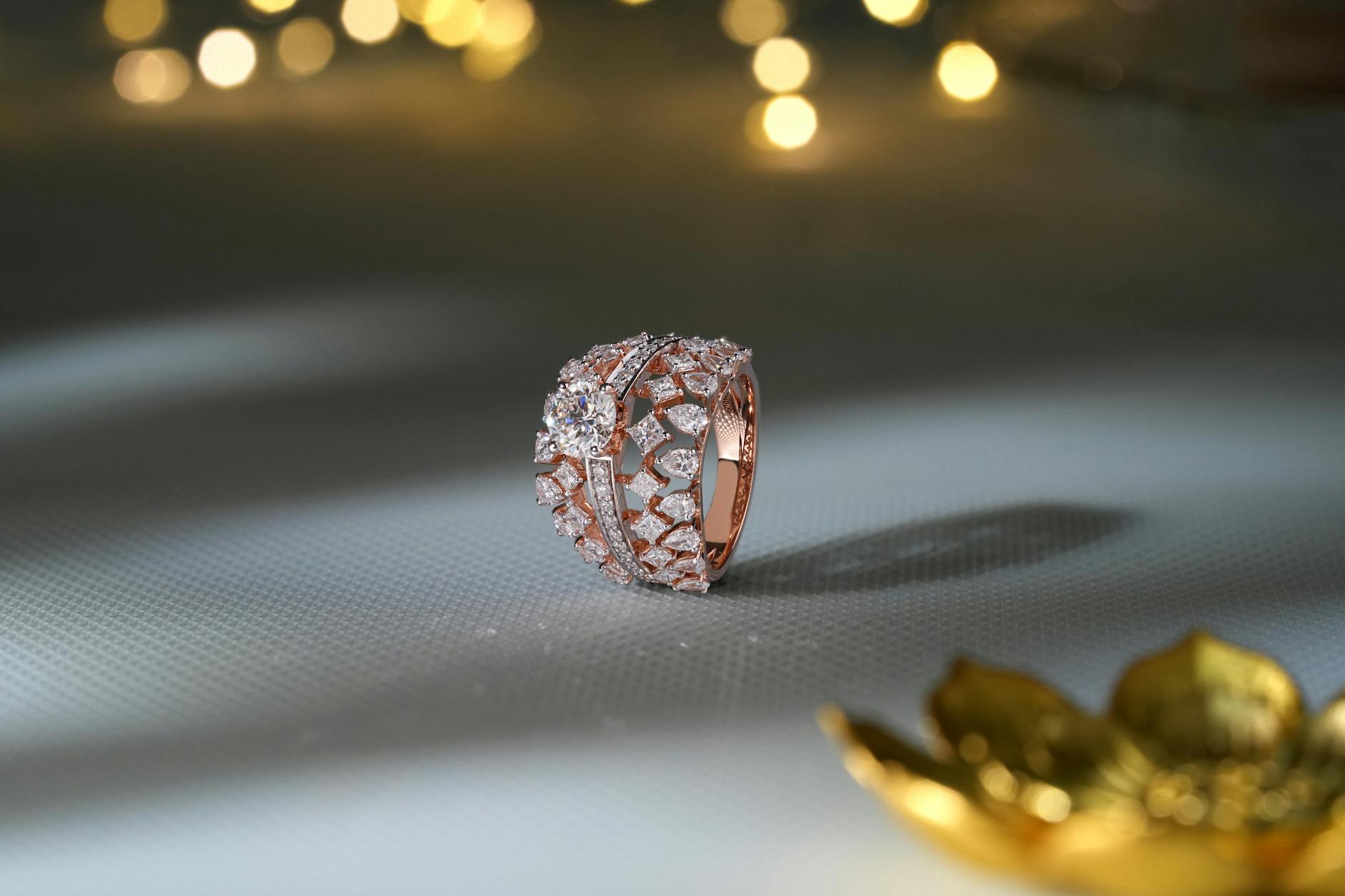
Jewellers prominently display new collections with elaborate designs, high making charges, and significant stone weight that inflate the overall price.
These pieces are displayed as "festive specials" but often carry making charges that are equal to or higher than normal inventory — the festive premium is on the jeweller's side for these pieces, not yours.
The most prominently displayed pieces in a festive showroom are almost always the highest-margin items for the jeweller — elaborate sets with heavy making charges, diamond pieces with large stones, or collector-edition designs. The "making charge waiver" promotion applies to standard pieces. Do not be drawn into buying a ₹3 lakh Polki set because it is displayed on the front podium during Akshaya Tritiya. That set likely carries ₹80,000 in making charges that are not being waived.
The Gold Price Itself Does Not Drop for Festivals
This is perhaps the most important thing to understand and communicate to family members who believe festival days bring lower gold prices. They do not.
Gold price is determined by MCX, which is determined by LBMA, COMEX, and the USD-INR rate. A festival in India has no relevance to international commodity markets.
The gold price on Akshaya Tritiya morning is set by the same global forces that set it on any other morning.
In fact, empirical evidence suggests that gold prices sometimes trade at a slight premium in the weeks immediately before major festivals, because:
- Indian jewellers import gold in advance to stock their festive inventory, increasing demand from the wholesale market.
- Sentiment-driven buying during festival announcements can push MCX prices slightly higher as retail demand expectations build.
- Retailers occasionally quote a slightly wider spread over MCX during peak days when footfall is highest and negotiating leverage is lowest.
What the Data Shows: Festive vs Non-Festive Price Patterns
Analysing MCX gold price data from 2019 through 2024, a clear pattern emerges: Akshaya Tritiya dates fall in a period (April–May) that is historically neither the cheapest nor the most expensive window for Indian gold prices.
Dhanteras (October–November) consistently falls in one of the highest-price windows of the year — the October–November period when festive demand and wedding season combine.
Buying on these days because of tradition is fine. Believing you are getting a price discount because of the date is mistaken.
Smart Festive Buying Strategy
Know Your MCX Rate Before You Walk In
Check the MCX gold rate on the morning of any festive purchase using the MCX app, GoodReturns, or the IBJA daily rate publication.
Know the per-gram price for both 24K (999) and 22K (916).
When the jeweller quotes a price, you can immediately calculate whether the metal component is reasonable or inflated.
Identify the Making Charge Waiver Scope
Ask specifically: "Which pieces in the store carry the making charge waiver?" Get the answer in writing on the bill.
Some stores apply the waiver only to designated pieces or categories — not to the whole store. Understanding the scope prevents post-purchase disappointment.
Consider Buying Coins Instead of Jewellery
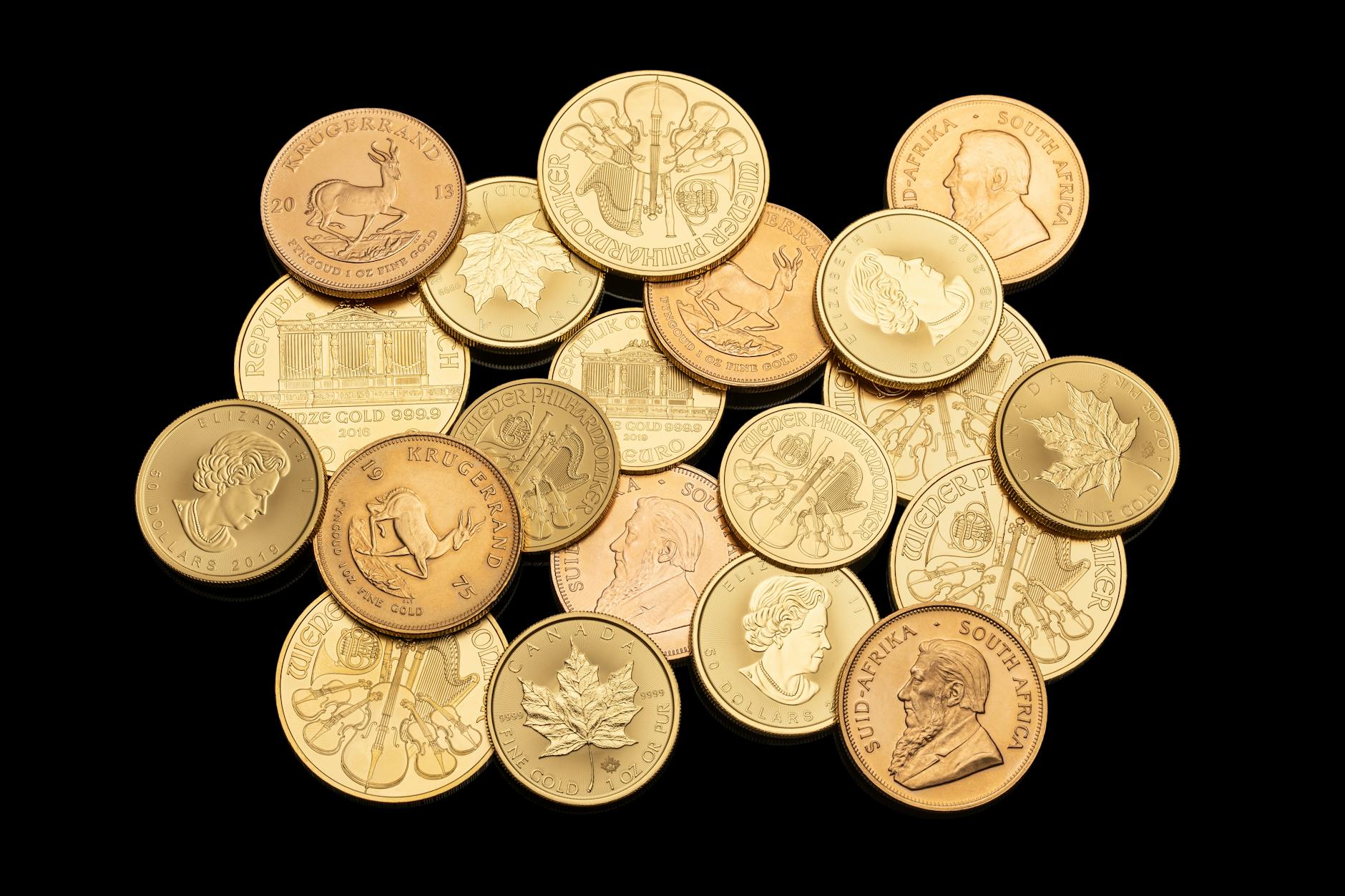
If you are buying gold for investment purposes during Akshaya Tritiya, a 10-gram BIS-certified gold coin is cleaner than jewellery.
No making charges (only the small mint premium), easy to store, easy to resell.
You fulfil the tradition of buying gold on the auspicious day; you do not pay unnecessary making charges on jewellery you may not even particularly want.
When Not to Buy
If the MCX rate in the week of the festival is significantly elevated above the 3-month average (say, more than 5% above), and your need is not urgent, it is financially rational to wait.
The tradition of buying on an auspicious day is important to many — but Akshaya Tritiya comes every year, and the next one is always twelve months away.
| Factor | Festive Season | Non-Festive (May–July) |
|---|---|---|
| Gold price (MCX) | Often at annual high (Oct–Nov) | Often at annual soft point |
| Making charge offers | Waivers available (select pieces) | Rarely waived; negotiable directly |
| Exchange rate offers | Enhanced (100–105% of MCX) | Standard (95–100% of MCX) |
| Coin availability | Excellent; all sizes in stock | Good; may require ordering large sizes |
| Store footfall / wait times | Very high; less negotiating time | Low; more personal attention |
| Selection breadth | Maximum; full festive collections | Standard inventory; special designs may be limited |
| Auspicious significance | Maximum | Depends on personal muhurta calculation |
| Overall financial verdict | Good if making charge waivers apply; poor if buying premium designs | Better raw pricing; less ceremonial occasion |
The Balanced Conclusion
Festive-season gold buying is a deeply meaningful tradition, and traditions carry value beyond the purely financial.
Buying gold on Akshaya Tritiya or Dhanteras with family, at a trusted jeweller you have visited for years, fulfils something that no amount of financial optimisation analysis can dismiss.
But entering that transaction as an informed buyer — knowing the MCX rate, understanding which promotions represent genuine value, and not being swayed by prominently displayed high-margin pieces — makes the experience both meaningful and financially sound.
The making charge waivers are real. The exchange premiums are real.
The gold price discount because of the festival is not real.
Know the difference, and your festive gold purchase will honour the tradition and protect your wallet in equal measure.
More in Gold & Precious Metals
Share this article
Our editorial team comprises jewellery industry veterans, certified gemmologists, and passionate writers with decades of combined experience across India's gold, diamond, and gemstone markets. Every article is researched, fact-checked, and written to help Indian buyers make smarter, safer jewellery decisions.
Passionate about jewellery and love to write? We'd love to hear from you.
Join us as a writer →Ready to buy? Find verified jewellers near you
Browse 10,000+ BIS hallmark certified jewellers across India. Compare ratings, check today's gold rate, and book a visit.
Keep Reading