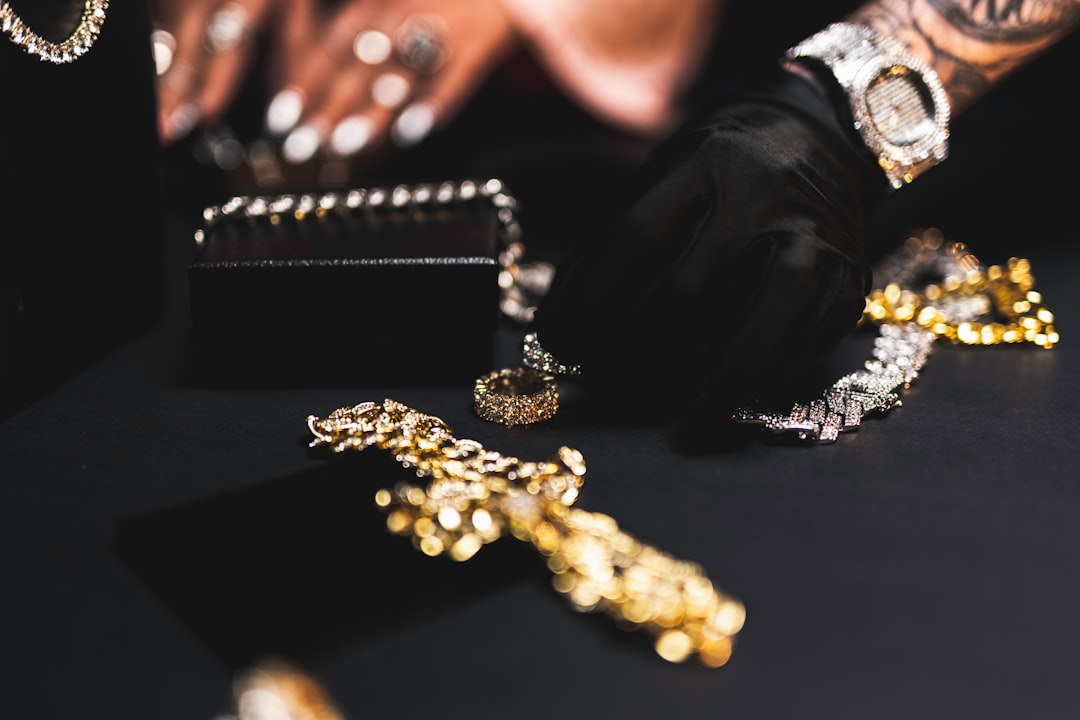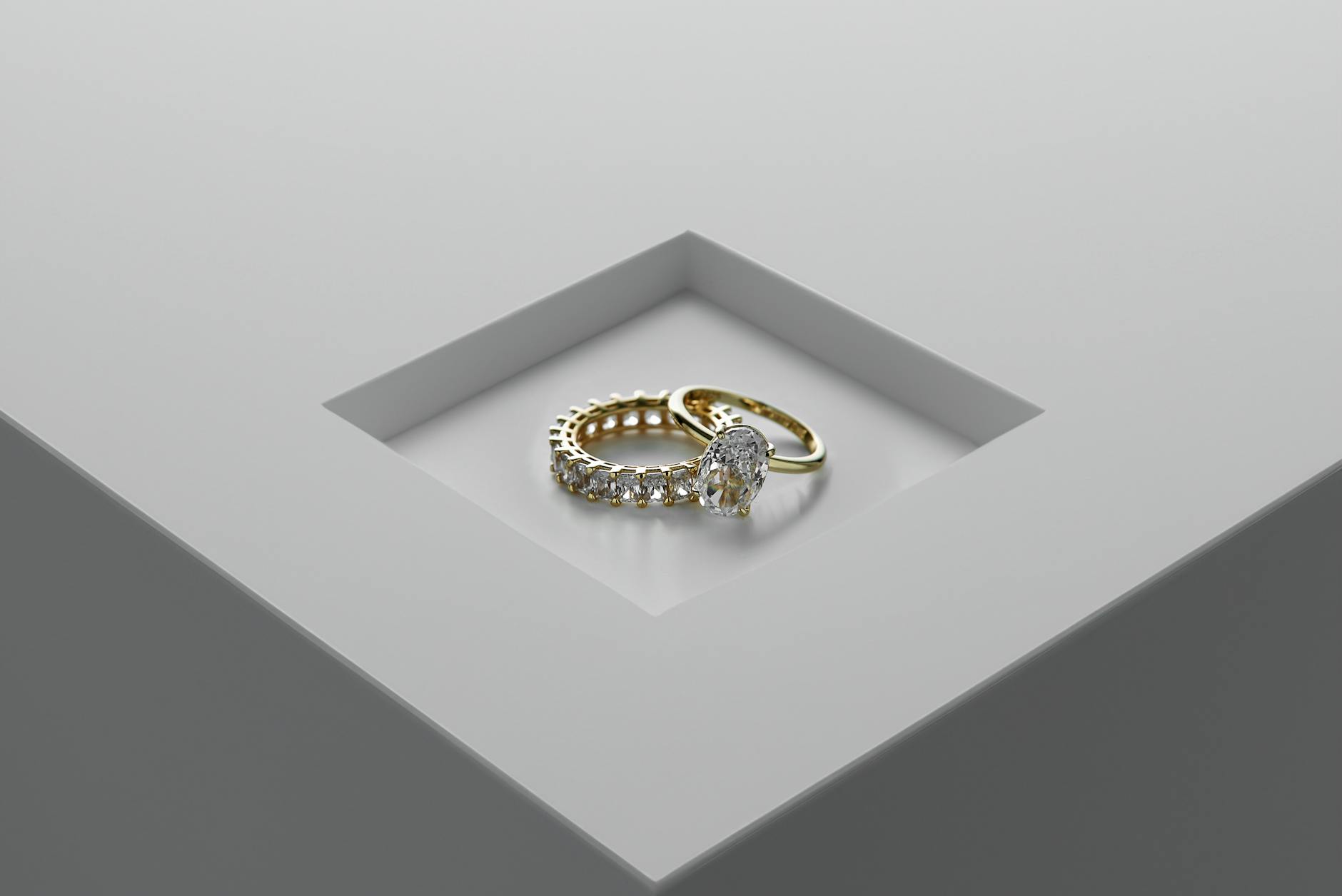
Fine jewellery is designed to be worn — but not during everything.
The activities of a normal Indian day — cooking, cleaning, exercising, commuting, applying makeup — each present specific risks to jewellery that are worth understanding.
Most of the damage that brings jewellery to a repair shop is entirely preventable.
Knowing which activities to avoid while wearing your pieces is the simplest and most effective care habit there is.
Swimming: Both Pools and the Sea
Swimming is one of the most damaging activities for fine jewellery, from two different directions.
Chlorine in swimming pools is a strong oxidising agent.
At pool concentrations (1–3 ppm), chlorine gradually attacks the copper and zinc components of gold alloys, causing a process called stress corrosion cracking.
This is particularly damaging to 18K and 14K gold, which contain more alloy metals than 22K.
Over repeated exposure, the metal becomes brittle and prone to cracking at stress points — typically at prongs, around settings, and at chain links.
This damage accumulates invisibly until a piece suddenly breaks.
Salt water is mildly abrasive and accelerates tarnishing of silver and lower-karat gold alloys. Sand in the sea compounds this effect.
Cold sea water also temporarily shrinks fingers, making rings looser — rings have been lost in the sea this way countless times.
Rule: Remove all fine jewellery before swimming, whether pool or sea.
Fashion jewellery or jewellery specifically sold for water activities (usually surgical steel or titanium) can be worn in water, but not fine gold, diamond, or pearl pieces.
Gym and Sports: Impact Is the Enemy
The gym presents two threats to jewellery: impact and pressure.
Gripping barbells, dumbbells, and machines puts direct pressure on ring settings and prongs.
Over many sessions, this bends prongs outward — gradually loosening stone settings.
Even bodyweight exercises (push-ups, pull-ups) press rings against hard surfaces repeatedly.
Diamond rings worn during weightlifting can have prongs bent enough to risk stone loss within months of consistent gym wear.
Contact sports present the additional risk of direct impact to stones.
While a diamond will not shatter under most impacts (its cleavage planes are specific), softer stones — emeralds, pearls, opals, tanzanite — can chip or crack from impact.
A bent necklace or earring can also cause injury during contact sports.
Sweat is also a factor — it is mildly acidic and contains sulphur compounds that tarnish silver and dull gold over time, and the salt in sweat can accumulate in settings and behind stones.
Rule: Remove all rings, bracelets, and necklaces before gym sessions and any contact or impact sport.
Stud earrings in 18K or higher are generally safe if they are simple settings without fragile stones.
Cooking: Heat, Oil, and Crevice Contamination
The Indian kitchen is a particular hazard for jewellery. Cooking oils and spices get into the crevices of settings and are very difficult to remove completely.
Turmeric, one of the most common spices in Indian cooking, can stain porous gemstones (especially pearls and certain corals) permanently.
Onion and garlic compounds contain sulphur, which tarnishes silver and dull gold.
Direct heat is a concern for pieces with enamel, lac bases (Kundan jewellery), or set pearls. Steam from boiling or pressure cooking can affect these components.
Dough and sticky substances are particularly problematic for rings — they force their way under stones and can apply outward pressure on settings.
Rule: Remove rings and bracelets before cooking — especially before working with dough, turmeric, or strong spices.
Earrings and necklaces can generally remain, but wipe them down after cooking if they were close to steam or oil.
Household Cleaning: Chemicals Are the Biggest Risk
Cleaning products represent the most chemically aggressive environment most jewellery ever encounters. The key offenders:
- Bleach (sodium hypochlorite): Attacks gold alloys and causes the same stress corrosion cracking as pool chlorine — but faster and more severely. Any contact with bleach-based cleaners should be avoided entirely.
- Acetone (nail polish remover): Dissolves many adhesives used in stone settings, and can remove the surface from some treated gems.
- Abrasive cleaners: Scratch polished metal surfaces.
- Rubber gloves: Irony — the rubber in cleaning gloves can tarnish silver rings even while the gloves protect against the cleaning chemicals. Use cotton-lined rubber gloves if you must wear rings while cleaning.
Rule: Remove all fine jewellery before any household cleaning that involves chemicals.
This includes dishwashing liquid in direct contact (occasional splashes are fine; immersing your ringed hands for 20 minutes while hand-washing dishes is not).
Applying Makeup, Perfume, and Hairspray
Beauty products are jewellery's quietest enemy.
The problem is not any single application but the cumulative buildup of cosmetics, hair products, and skin care in the crevices of jewellery over days and weeks:
- Perfume and hairspray leave a sticky residue that attracts dust and dulls stones
- Foundation and powder get into settings and behind stones
- Hair oils are particularly stubborn and can coat chains in a film that attracts more grime
- Alcohol in perfumes can be mildly corrosive to some treated gemstones
The "last on, first off" rule: Put jewellery on as the last step after completing your beauty routine. Take jewellery off as the first step when returning home.
This one habit dramatically reduces buildup and extends the life of your pieces between cleanings.
Sleeping
Sleeping in jewellery is more damaging than most people expect.
Necklace chains tangle in hair and around each other, leading to knots that are difficult to remove without breaking delicate links.
Earring posts and backs press into skin, causing discomfort and sometimes infection at piercing sites.
Prongs on rings can catch on pillowcase fabric, bending slightly with each catch over thousands of nights.
Ring settings pressed against pillow surfaces during sleep apply pressure to stones repeatedly.
Rule: Remove all jewellery before sleep.
This especially applies to earrings with butterfly backs (which can press the back into the ear lobe during sleep), long necklaces, and any ring with a prominent stone setting.
Activity vs Jewellery Risk Reference
| Activity | Risk Level | Primary Threat | Recommendation |
|---|---|---|---|
| Swimming (pool) | Very High | Chlorine metal damage, stone loss from cold water | Remove all fine jewellery |
| Sea swimming | High | Salt, sand, cold water, stone impact | Remove all fine jewellery |
| Gym / weightlifting | High | Prong damage from grip, stone impact | Remove all rings and bracelets |
| Cooking with spices | Medium–High | Staining, crevice contamination, heat | Remove rings and bracelets |
| Household cleaning | High | Chemical damage (bleach, acetone) | Remove all fine jewellery |
| Applying beauty products | Medium | Residue buildup, dullness | Apply jewellery last |
| Sleeping | Medium | Chain tangling, prong catching, skin pressure | Remove all jewellery |
| Gardening | High | Soil, physical impact, lost rings in soil | Remove all fine jewellery |
| Office/desk work | Low | Minor prong wear from typing | Generally safe; check prongs monthly |
The habits described here add up to less than two minutes per day — the time it takes to remove jewellery before a shower and cooking session, and put it back on after.
Over the lifetime of a piece worth ₹50,000 to ₹5,00,000, those two minutes a day translate directly into decades of wearable, brilliant, undamaged jewellery.
More in Jewellery Care
Share this article
Our editorial team comprises jewellery industry veterans, certified gemmologists, and passionate writers with decades of combined experience across India's gold, diamond, and gemstone markets. Every article is researched, fact-checked, and written to help Indian buyers make smarter, safer jewellery decisions.
Passionate about jewellery and love to write? We'd love to hear from you.
Join us as a writer →Ready to buy? Find verified jewellers near you
Browse 10,000+ BIS hallmark certified jewellers across India. Compare ratings, check today's gold rate, and book a visit.
Keep Reading